How to Dress for Winter
January 2017. Vienna. I’m standing outside the Belvedere in a coat that fit fine in Austin, and the wind is doing something to my body I have never physically experienced before. I look at my Canadian exchange friend, who is laughing, and I understand for the first time that Texans do not, in fact, own coats.
As a born-and-raised Texas gal, I had a pretty loose understanding of winter. We owned coats. We had snow days. You wore a few layers and you were fine. It wasn’t until I left Texas that I learned the hard way: Texas winter coats were not built for actual winters.
That first Vienna trip humbled me real quick. Then came Copenhagen (winter 2019–20, headed to work in the dark, home from work also in the dark — the seasonal depression was real). Add eight years of living in NYC, and this Texan has officially been through the wringer when it comes to the cold.
And honestly? I’m a changed woman. I love the cold now that I’ve learned how not to suffer through it.
After learning the hard way — more than once — I’ve figured out which winter essentials genuinely make a difference and which ones only look like they should. From the puffer I reach for on freezing NYC days to the thermal tights that let me wear a skirt without immediately regretting it, these are the layers, shoes, accessories and skincare products that have earned a permanent place in my winter rotation.
Some of the links below are affiliate links. If you buy through them I may earn a small commission at no extra cost to you. I only link things I’ve actually used or would buy again. Full disclosure in the footer.
The Coat Is Only the Beginning — but Yes,
It Matters
A coat is usually the first thing people think about when dressing for winter, and for good reason. But I learned pretty quickly that a coat feeling warm during the walk from your house to your car is very different from it keeping you warm while you’re outside for hours.
My Trusted Winter Jacket: The Quince Responsible Down Puffer
When it is actually cold outside, I reach for my Quince Responsible Down Puffer Jacket. It gives me the polished look I love from some of the more expensive puffers without the equally dramatic price tag, and it has kept me warm through plenty of freezing NYC days.
It has 700+ fill-power down, a water-repellent and wind-resistant outer fabric, storm cuffs and fleece-lined pockets — all little details that start to matter when the wind picks up. This is the coat I grab for long walks, bitter temperatures or any forecast that feels mildly disrespectful.
This link is not affiliated or sponsored. I just truly love this jacket.
When I Want Something a Little Cuter: The Winter Trench
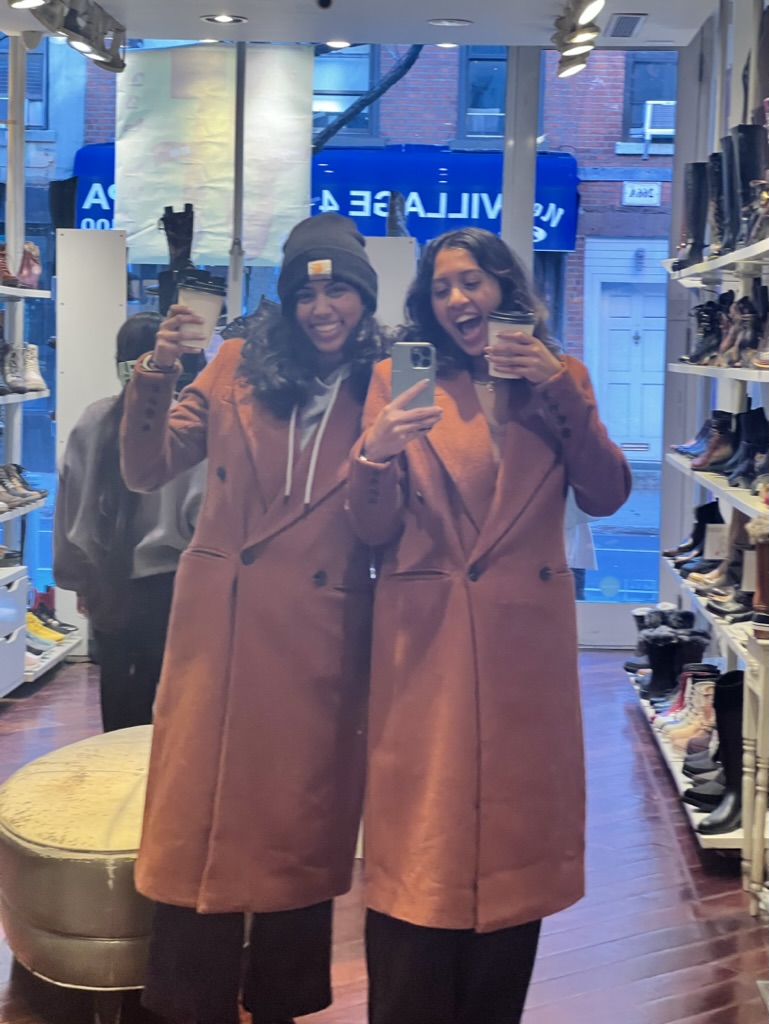
I love the look of a trench coat, especially in Europe. It instantly makes an outfit feel more put together, even if you’re wearing three slightly questionable layers underneath it.
Most of my trench coats have actually been thrifted, including ones I found in Denmark. Thrifting while I travel is one of my favorite ways to find pieces that feel specific to a place, so I genuinely recommend checking local secondhand shops before buying something new.
I’m also not going to lie and pretend my trench keeps me as warm as my puffer — although choosing the right fabric and construction definitely helps. I save mine for milder winter days, occasions when I won’t be outside for hours or forecasts where the wind isn’t personally attacking me.
- Read the fabric label. Look for wool or a wool-rich blend if warmth is the priority. A tiny percentage of wool doesn’t automatically make a lightweight coat winter-ready; the weight and thickness of the fabric matter too.
- Check the inside. A fully lined coat will generally feel warmer and block more wind than an unlined one. For colder weather, look for quilted, insulated or fleece lining.
- Choose enough coverage. A longer coat protects more of your body, so knee-length or longer can make a noticeable difference.
- Leave room for layers. Try it on over a thick sweater. If the coat is already tight, you won’t have much room to build warmth underneath it.
- Pay attention to the closures. A front that buttons or zips securely, a higher collar and adjustable cuffs help keep cold air from sneaking in.
- Be realistic about wet weather. Wool can be warm, but it isn’t automatically waterproof. If you expect wet snow or rain, look for weather-resistant construction — or save the trench for a drier day.
My general rule is simple: a trench can handle milder weather, dinner plans and shorter stretches outside. An entire day walking around a freezing city usually calls for the puffer.
A Quick Cheat Sheet: What to Wear by Temperature
“Freezing” means very different things depending on where you grew up. Here’s my rough rulebook after enough winters to know:
- Under 20°F / -7°C — Puffer + thermal top + thermal leggings + wool socks + beanie + gloves. Hand warmers optional but recommended. This is non-negotiable territory.
- 20–35°F / -7 to 2°C — Puffer or heavy wool coat + one warm layer + wool socks + beanie + gloves. Thermals only if you’ll be outside more than an hour.
- 35–50°F / 2–10°C — Trench or lighter coat + sweater + normal layers. This is Vienna in early November, Copenhagen in late March, NYC most of April.
- 50–60°F / 10–15°C — Denim jacket weather. A trench is dramatic here but nobody will stop you.
- Mountain days & winter sports (below 30°F, all-day outdoors) — Full base layer, mid layer, waterproof shell, wool socks, glove liners under gloves. Different category entirely; a puffer alone will not save you here.
The Layers Underneath
I am not someone who wears a full thermal base layer every time the temperature drops. Most winter days, especially when I’m moving between freezing streets and aggressively heated indoor spaces, a good coat and normal layers are enough for me.
Thermals come out when it is genuinely freezing, I know I’ll be outside for hours or I’m heading to the mountains. They add warmth without the bulk of piling on multiple sweaters, and you can wear them underneath an outfit without completely changing the look.
When choosing thermals, look for something fitted enough to sit comfortably under your clothes without restricting you. For active winter days, moisture-wicking fabric matters because getting sweaty and then standing around in the cold is a special kind of misery. Merino wool and synthetic performance fabrics are both good options; I avoid cotton when I know I’ll be active because it holds onto moisture.
You also don’t need an entire wardrobe of thermals. One to two reliable long-sleeve tops and a pair of thermal leggings can cover the truly cold days and take up very little room in your suitcase.
My pick: This merino-style thermal set — top + leggings, packs down small, warm without being bulky.
For additional warmth, add a sweater, fleece or lightweight insulated layer between your clothes and coat. Just make sure everything fits together comfortably. If your layers are so tight that you can barely move your arms, we have created a new problem.
How I Still Wear Cute Clothes in Winter
Cold weather does not automatically mean every skirt and dress has to enter hibernation until spring. Sometimes I want to be warm and practical. Sometimes I also want a cute fit.
Thermal Tights: The Real Game Changer
Thermal tights are one of my favorite winter inventions. The versions I like have a warm, skin-toned lining underneath a darker outer layer, creating the look of sheer tights without leaving your actual bare legs exposed to the cold. They let me wear skirts and dresses in winter without immediately regretting every decision that brought me outside.
My pick: iceROSE fleece-lined thermal tights — sheer-look outer, warm inner. Comfortable enough for all-day wear.
Before buying a pair, check the color and sizing carefully. The lining should look natural against your skin, and the tights need enough stretch to stay comfortable for an entire day — not slowly cut off your circulation halfway through dinner. I would also check whether they are footed, stirrup-style or stop at the ankle, depending on the shoes you plan to wear.
They are not a replacement for proper snow gear or thermal base layers on the mountain, but for dinners, nights out and everyday city outfits, they make a huge difference.
Leg Warmers: Part Practical, Part Outfit
Leg warmers may be slightly more of a commitment to the look, but I love them with a skirt and short boots. They cover that awkward strip of exposed leg around the ankle, add another layer of warmth and make a basic winter outfit feel a little more intentional.
My pick: BomKinta knit leg warmers — mid-calf, cozy weight, easy to layer under boots.
Are they the most essential item on this list? Probably not. Are they cute, warm and something I will continue wearing anyway? Absolutely.
The Little Things That Make the
Biggest Difference
You can have the warmest coat in the world, but if your ears, fingers or neck are exposed, somehow that is the only thing you will be able to think about. The smaller winter accessories may not feel as exciting as buying a new coat, but they make a disproportionate difference in how comfortable I am outside.
Beanies and Headbands
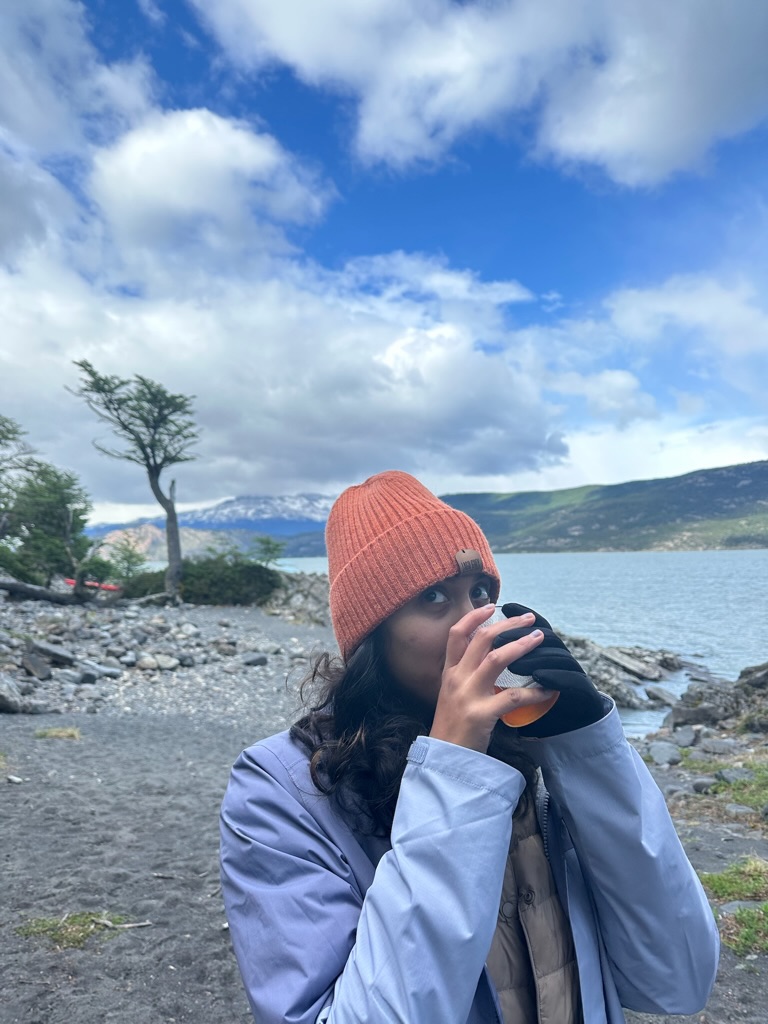
Lately, I’ve started buying beanies while traveling and treating them like souvenirs. They’re practical, easy to pack and remind me of a place without taking up half my apartment.
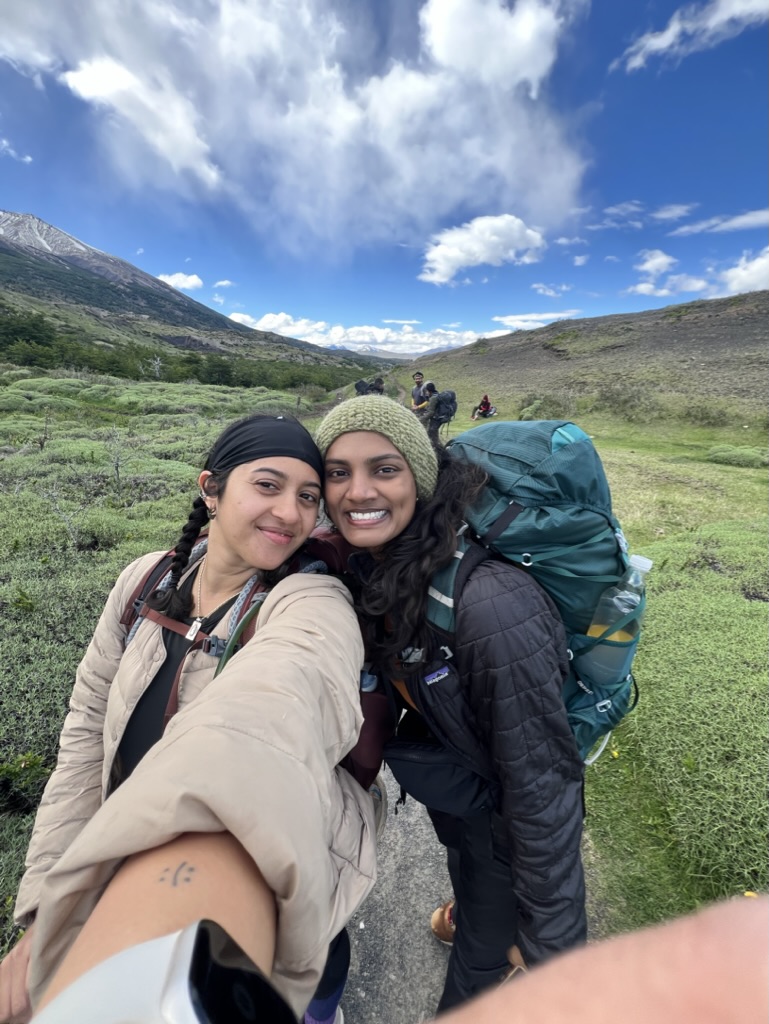
If you’re buying one before a trip, look for a beanie that fully covers your ears and is snug enough that the wind won’t immediately claim it. (And if you’re like me and have a small head, check out the children’s section too.) A fleece-lined option offers extra warmth, while a headband is great when you want to protect your ears without completely committing your hair to hat life.
My picks: fleece-lined beanie and winter headband with fleece lining — both cover ears, both pack flat.
Earmuffs — or My Headphone Hack
One of my friends swears that earmuffs make a huge difference, and she is right. Cold ears can ruin an otherwise manageable walk very quickly.
My personal hack is wearing over-ear headphones when I’m out in winter. They cover my ears, keep them surprisingly warm and let me listen to music at the same time. Obviously, this works best when it isn’t raining or snowing heavily — and when you’re still paying attention to what is happening around you.
My picks: 180s behind-the-head earmuffs or Bose QuietComfort headphones (the double-duty pick — warm ears plus noise cancelling).
Gloves, Mittens and Hand Warmers
Gloves are the more practical choice when you need to use your phone or have full control of your fingers. Mittens are usually warmer because your fingers get to share their body heat instead of fighting for survival individually.
For especially cold days, HotHands are a girl’s best friend. I usually keep a pack in my purse during the winter because they’re small, easy to use and give you that extra boost of warmth exactly when you need it.
My pick: HotHands disposable hand warmers — the ten-pair value pack. I keep a couple in every winter coat.
If you want something reusable, a rechargeable electric hand warmer is a good alternative. Just remember to charge it before leaving — a dead hand warmer is really just another object in your bag.
My pick: rechargeable electric hand warmer — three heat settings, doubles as a phone charger in a pinch.
Finally, do not underestimate a scarf or neck gaiter. Closing the gap between your coat and face helps keep cold air from sneaking inside, especially on windy days. It is a small addition that can make your entire outfit feel warmer.
Please Stop Wearing Thin Sneakers in the Snow
You can walk around in your regular sneakers all winter if you want. But when the snow starts melting, the sidewalks turn into a gray slush obstacle course and that cold water reaches your socks, you may begin to reconsider your choices.
A proper pair of winter boots or booties makes a huge difference. They keep your feet warmer and drier, give you more stability and save your everyday sneakers from having to fight battles they were never designed for.
- Water protection. Look for waterproof construction if you expect snow, slush or rain. “Water-resistant” may be enough for light exposure, but it is not the same as waterproof.
- Traction. Check the bottom of the shoe for a substantial rubber sole with visible tread. A perfectly smooth fashion boot and an icy sidewalk are not friends.
- Insulation. For genuinely cold destinations, choose a lined or insulated boot rather than assuming every tall, chunky shoe is automatically warm.
- Room for socks. Try boots on with the socks you plan to wear. If the fit becomes uncomfortably tight, you need more room — not another pair of socks squeezed inside.
- The right height. Ankle booties can work well for cleared city sidewalks and milder days. Deeper snow and messy slush call for more coverage.
My picks: these chunky waterproof Chelsea boots for city snow, or these waterproof winter sneaker-boot hybrids for hiking-style grip. And if you insist on staying in sneakers, at least get a proper waterproof pair — I love these Timberland waterproof sneakers (not an affiliate link, I just genuinely wear them into the ground).
Wool Socks Make a Bigger Difference Than You Think
Even a good boot can only do so much if the socks inside it are thin, damp or sliding down your heel. Wool or wool-blend socks help keep my feet warmer, and they are especially useful for long outdoor days.
Choose a pair that is thick enough for warmth but still fits comfortably inside your boots. More sock is not always better if your shoe becomes so tight that your toes can barely move.
My pick: merino wool hiking socks (multi-pack) — thick enough for boots, not so thick they cut off circulation.
For especially icy destinations, removable traction cleats can also be useful. They slip over your shoes to provide extra grip and can be packed away when you no longer need them.
My pick: Yaktrax removable traction cleats — slip over any boot in seconds, roll up small enough to stash in a purse.
You do not need to buy every item on this list. Think about where you’re going, how cold it will actually be and how much time you plan to spend outside. A weekend of dinner reservations requires a very different level of preparation than a full day exploring a freezing city.
The goal is not to pack your entire closet. It is to stop being so cold that the cold becomes the only thing you remember about the trip.
After Vienna wind, Copenhagen darkness and eight NYC winters, I have finally realized something: apparently, I never hated winter. I just hated being unprepared for it.
P.S. Cold is coming for your face too. Here’s my winter skincare routine — the products that survive Vienna wind, indoor heating and long-haul flights.
If you’re planning a winter Europe trip — Vienna Christmas markets, Copenhagen in December, a Nordic winter weekend — I can help you plan it. That’s actually my day job as a travel advisor with Fora. Book a call below and we’ll figure out where you’re going and what you’re packing.